Background Information
Indonesian Puppet Theater (Wayang) (Vocabulary)
GRADE LEVEL: Early Elementary School (K-3), Elementary School (4-5), Middle School (6-8), High School (9-12), College and Beyond
Background Information
Activity
Lesson
Students are introduced to the Ramayana (Story of Rama) and recall events by sequencing related art objects on a Story Hill. Then students make connections between artistic and literary depictions of character by comparing Vishnu and Ravana.
Activity
Students express the Balinese concept of working together to create a community by applying the kecak musical pattern of interlocking parts to “Mary Had a Little Lamb,” and design their own chant using words or sounds to represent their characters.
Activity
Create a helmet out of folded paper, called origami. Decorate it with added embellishments and markings to simulate the patterns of lacing and other details.
Lesson
Students will: 1.) create a pocket size version of kamishibai and illustrate a Japanese folktale; 2.) learn the history of kamishibai; 3.) use oral, written, and visual language in presenting Japanese folktales; 4.) discuss the similarities and differences in American and Japanese storytelling traditions; 4.) gain an awareness of Japanese culture and Japanese society in early to mid-20th century.
Activity
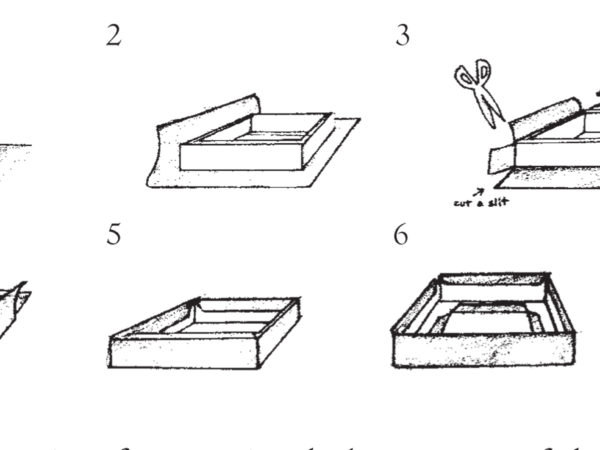
Sword making is a refined and highly scientific art that is revered in Japan. A sword guard (tsuba) is a metal guard on a samurai sword between the handgrip and the blade. It protects the hand from sliding onto the sharp edge of the blade. Sword guards vary in shape and design and were carved or molded. Use the templates or create your own shape and design a sword guard.
Activity
Shadow puppet performances were popular forms of entertainment in Thailand. Create your own shadow puppet and perform a scene from the the Ramayana.
Activity
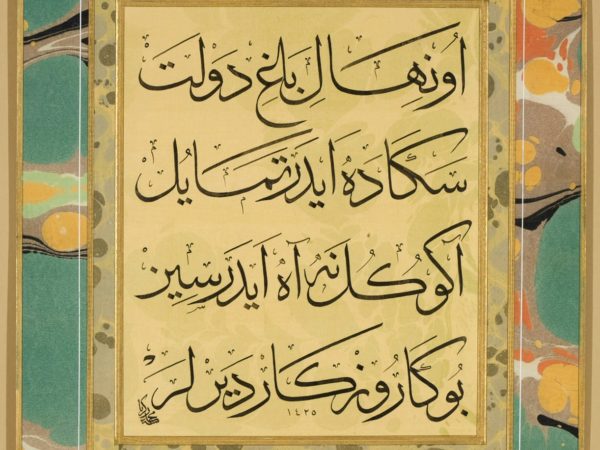
A kit’alar is a calligraphic work written on a rectangular piece of paper pasted onto a cardboard backing. Equal margins are left around the calligraphy in which the artist decorates with marbled paper (ebru) or illumination.