Artwork
Jar, approx. 1600
Jar, approx. 1600. Korea. Joseon Dynasty (1392-1910). Porcelain with transparent glaze. The Avery Brundage Collection, B60P110+.
GRADE LEVEL: Middle School (6-8), High School (9-12), College and Beyond
Artwork
Jar, approx. 1600. Korea. Joseon Dynasty (1392-1910). Porcelain with transparent glaze. The Avery Brundage Collection, B60P110+.
Video
See demonstrations of employing both traditional (no electric needles!) and modern techniques. Joining Horitaka’s diverse, talented crew of tattooists are special guests from Japan — Shige, a powerhouse tattoo artist who has been showcased all over the world; Mutsuo, who’s designed for Bathing Ape and Hysteric Glamour; and Kazunobu Nagashima, a client of Shige who will proudly display his backpiece, which won a 2007 Milano Tattoo Convention award.
Background Information
During the Edo period, Nanga (southern painting) or Bunjinga (scholar or literati painting) artists took a form of Chinese painting as their model. Learn more.
Background Information
The Kano school, established by Kano Masanobu (1434–1530), primarily served the samurai class. Their bold designs of powerful animals and symbolic plants and trees, blending aspects of native Japanese with Chinese styles, were the perfect decoration for screens and sliding doors in the large official audience halls in samurai residences. Learn more.
Background Information
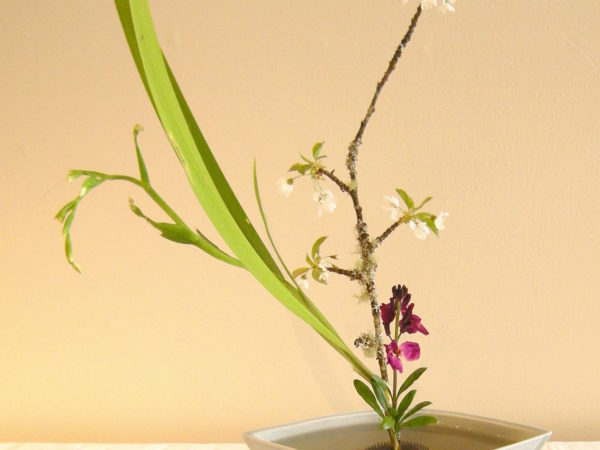
Learn about Japan’s refined form of floral arrangement, known as ikebana (“to arrange and give life to flowers”).
Video
Learn about Indonesian rod puppets (wayang golek) with puppet master Kathy Foley.
Video
Dancer and storyteller Pranita Jain from Kalapriya Center for the Indian Performing Arts leads a special interactive storytelling demonstration animating tales of King Vikramaditya with mudras (gestures) and facial expressions at the Asian Art Museum.
Artwork
Incense Container with design of plovers, 1500–1600. Japan. Muromachi period (1392–1573). Lacquered wood and sea shell. Gift by transfer from the Fine Arts Museums of San Francisco, B85M14.
Artwork
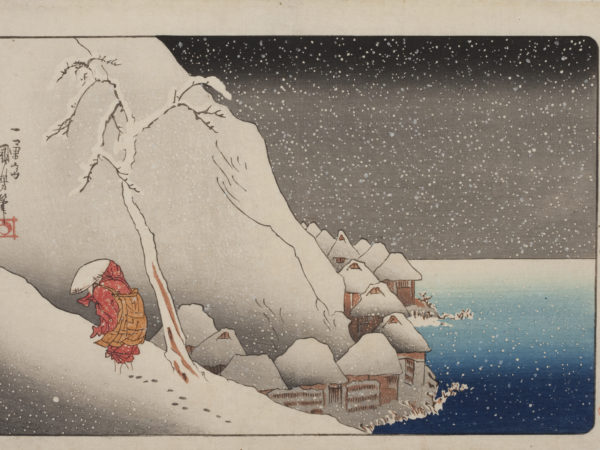
In the Snow at Tsukahara on Sado Island (Sashu Tsukahara setchu) from The Illustrated and Abridged Biography of the Founder [Nichiren] (Koso goichidai ryakuzu), by Utagawa Kuniyoshi (Japanese, 1797-1861). Japan. Woodblock print; ink and colors on paper. Gift of the Grabhorn Ukiyo-e Collection, 2005.100.118.
Video
Benedicto Reyes Cabrera (or BenCab, as he is more popularly known) is widely hailed as a master of contemporary Philippine art. Hear a conversation between him and Filipino American author Luis Francia at the 2011 Filipino American History Month Celebration at the Asian Art Museum.