Background Information
Formats of Chinese Painting
Learn more about the various formats of Chinese painting.
GRADE LEVEL: Middle School (6-8), High School (9-12), College and Beyond
Background Information
Learn more about the various formats of Chinese painting.
Activity
Video
Overview of the Hokusai and Hiroshige: Great Japanese Prints from the James A. Michener Collection, Honolulu Academy of Arts exhibition that took place at the Asian Art Museum from September 26–December 6, 1998 (filmed at former museum location in Golden Gate Park).
Lesson
Students are introduced to the Ramayana (Story of Rama) and recall events by sequencing related art objects on a Story Hill. Then students make connections between artistic and literary depictions of character by comparing Vishnu and Ravana.
Video
Learn about samurai castles.
Artwork
Dancer, approx. 618–700. China Tang dynasty (618–906). Painted earthenware. The Avery Brundage Collection, B60P305.
Activity
Students express the Balinese concept of working together to create a community by applying the kecak musical pattern of interlocking parts to “Mary Had a Little Lamb,” and design their own chant using words or sounds to represent their characters.
Background Information
Calligraphy is considered to be one of the most important art forms in Chinese culture. Only in Islamic art does calligraphy also rank so highly.
Artwork
Flowers, 1615, by Xue Susu (1564-1637). China; Ming dynasty (1368-1644). Handscroll; ink on paper. Museum purchase, B66D22.
Activity
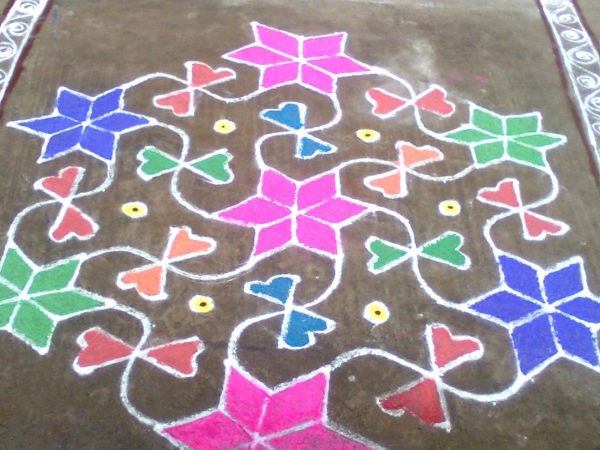
Students will: 1.) examine the Hindu tradition of threshold art; 2.) research how Diwali (Festival of Lights) is commemorated in India; 3. draw traditional labyrinth threshold patterns; 4.) work in teams to create a large labyrinth floor painting in celebration of Diwali