Tickets
Museum Hours
Thurs: 1–8PM Fri–Mon: 10 AM–5 PM
Tue–Wed: Closed
Location
200 Larkin Street
San Francisco, CA 94102
415.581.3500
Tickets
Region

Japan

Filter Resources
Type
  • All
  • Activity
  • Artwork
  • Background Information
  • Lesson
  • Teacher Packet
  • Video
Grade Level
  • All
  • College and Beyond
  • Early Elementary School (K-3)
  • Elementary School (4-5)
  • High School (9-12)
  • Middle School (6-8)
  • Pre-Kindergarten
Sort Results
  • Reset
  • Title
  • Type
Filter Resources
Type
  • All
  • Activity
  • Artwork
  • Background Information
  • Lesson
  • Teacher Packet
  • Video
Grade Level
  • All
  • College and Beyond
  • Early Elementary School (K-3)
  • Elementary School (4-5)
  • High School (9-12)
  • Middle School (6-8)
  • Pre-Kindergarten
Sort Results
  • Reset
  • Title
  • Type
Filter
Clear
Filter resources by type
Filter resources by grade level
Sort resources by

Lesson

Samurai Warrior Codes: Comparing Perspectives from the Kamakura, Muromachi, and Edo Periods

The term, bushido, is often used to describe the samurai warrior code during medieval and modern times. The definition refers to a late 19th century description and was actually quite different than codes from earlier times. Compare warrior codes from different times with the modern definition of bushido. Then, choose which code you think matches the samurai in the screen painting, the Battles at Ichi-no-tani and Yashima, from The Tale of the Heike.

GRADE LEVEL: Middle School (6-8)

Video

Hokusai and Hiroshige: Great Japanese Prints from the James A. Michener Collection

Overview of the Hokusai and Hiroshige: Great Japanese Prints from the James A. Michener Collection, Honolulu Academy of Arts exhibition that took place at the Asian Art Museum from September 26–December 6, 1998 (filmed at former museum location in Golden Gate Park).

GRADE LEVEL: Middle School (6-8), High School (9-12), College and Beyond

Background Information

Utensils for a Japanese Tea Ceremony

A host may spend weeks planning for a tea gathering, including making decisions about which group of utensils to use. The assemblage of objects will reflect the season, complement and contrast with each other, and, ideally, create a theme or context that the host and guest will explore together during the course of the tea gathering. Learn more.

GRADE LEVEL: Middle School (6-8), High School (9-12), College and Beyond

Video

The Stupa

A short documentary on The Stupa, a hemispherical mound that represents the burial mound of the Buddha.

GRADE LEVEL: Middle School (6-8), High School (9-12), College and Beyond

Background Information

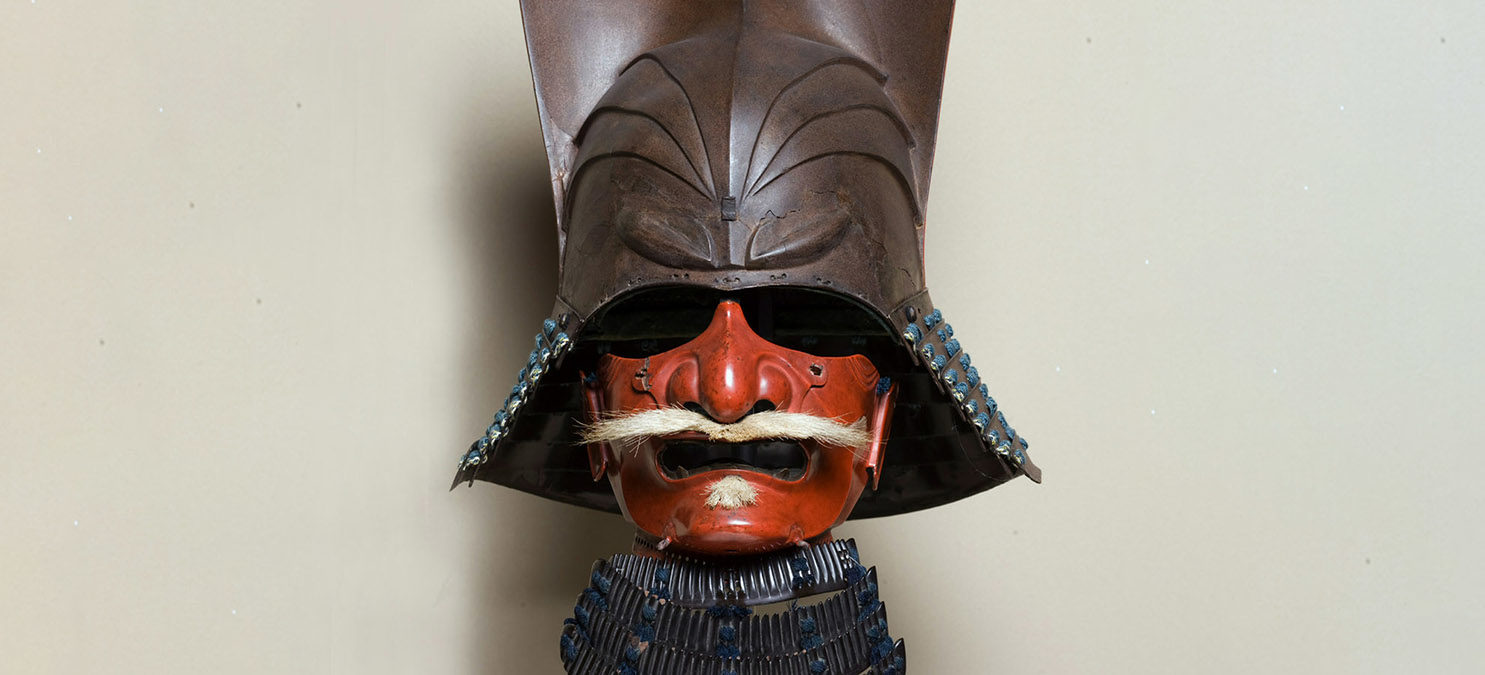
An Introduction to the Samurai

An overview of the Japanese warrior class known as the samurai.

GRADE LEVEL: Middle School (6-8), High School (9-12), College and Beyond

Lesson

Artful Storytelling (lesson)

Objective: Students gain an appreciation and understanding of art and culture, and build language skills by reading; developing scripts; making choices about gesture, voice, and expression; and performing traditional stories alongside art objects in the Asian Art Museum’s collection galleries.

Duration: One class period over the course of 1 week

GRADE LEVEL: Middle School (6-8), High School (9-12)

Background Information

Artists and Patrons of the Edo Period (1615–1868) in Japan

Prior to the Edo period (1615–1868), many painters and sculptors remained anonymous, occupying relatively equal status to carpenters and other artisans. The position of the artist during the Edo period changed, as artists became more successful financially, and better educated. Some of them began to be seen as celebrities, arbiters of taste with eccentric personalities. Although many still worked for low wages in obscurity, the Edo period marks the emergence of the artist as individual, as the genius creator in Japan. Learn more.

GRADE LEVEL: Middle School (6-8), High School (9-12), College and Beyond

Artwork

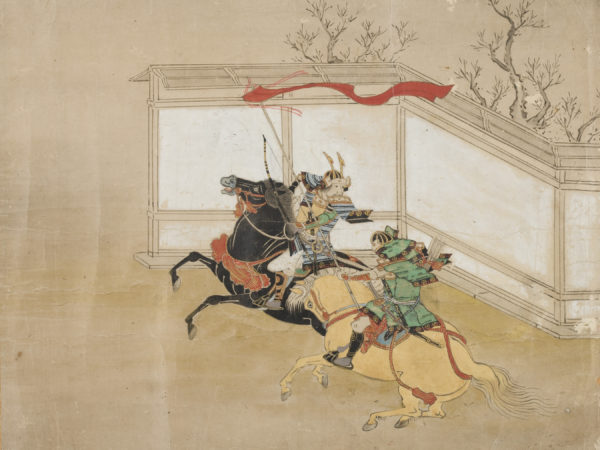
Battle of Awazugahara, from The Tale of the Heike

This scene illustrates an episode from the chapter, “The End of the Life of Kiso Yoshinaka,” in The Tale of the Heike, a thirteenth-century recounting of the wars between two powerful clans, the Heike and the Genji (also called the Taira and the Minamoto). By the time this painting was made, important episodes from The Tale of the Heike such as this one were widely familiar and had become popular subjects for paintings.

GRADE LEVEL: Middle School (6-8)